

|
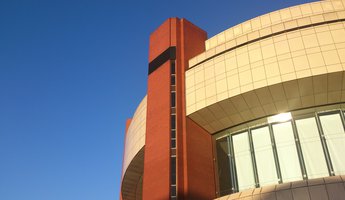
The Edinburgh International Convention Centre
Click here for further details |
 |
|
|
| About Edinburgh |
|
| VIBRANCY |
|
a modern and dynamic city, bustling with life and enterprise |
| CULTURE |
|
wonderful galleries, museums, theatres and arts venues |
| PEOPLE |
|
the people are warm, helpful and friendly |
| CHOICE |
|
wide choice of world class hotels within 2 miles of the city centre |
| ATTRACTIONS |
|
many sights and attractions within walking distance of the city centre |
| RESTAURANTS |
|
more restaurants per head of population than any other UK city |
| INNOVATION |
|
a centre of excellence in the fields of medicine and technology |
| ACCESS |
|
airport only 12km from the city centre, with many new air routes between
Europe and North America |
|
 |
| |
Edinburgh,
the capital of Scotland, is located in the south-east of Scotland, on the Firth
of Forth, near the North Sea. Owing to its rugged setting and many Medieval and
Georgian buildings, including numerous stone tenements, it is considered one of
the most picturesque cities in Europe.
Edinburgh has been the capital of Scotland since 1437 and is the seat of the
Scottish Parliament. The city was one of the major centres of the
Enlightenment, led by the University of Edinburgh, earning it the nickname
Athens of the North. The Old Town and New Town districts of Edinburgh
were listed as a UNESCO World Heritage Site in 1995. There are over 4,500
listed buildings within the city.

Edinburgh is well-known for the annual Edinburgh International Festival, a
collection of official and independent artistic events held annually over about
four weeks from early August. Other notable events include the Hogmanay street
party (31st December) and Burns Night (25th January).
The city is one of Europe's major tourist destinations, attracting around 13
million visitors a year, and is the second most visited tourist destination in
the United Kingdom, after London.
The historic centre of Edinburgh is divided into two by the broad green swath
of Princes Street Gardens. To the south the view is dominated by Edinburgh
Castle, perched atop a extinct volcanic crag, and the long sweep of the Old
Town trailing after it along the ridge. The Old Town has preserved its medieval
plan and many Reformation-era buildings. To the north lie Princes Street and
the New Town.
To the immediate west of the castle lies the financial district, housing
insurance and banking buildings. Probably the most noticeable building here is
the circular sandstone building that is the Edinburgh International Conference
Centre. |
|
| Climate |
|
Edinburgh
has a temperate maritime climate, which is relatively mild despite its
northerly latitude. Winters are especially mild, considering that Moscow,
Labrador and Newfoundland lie on the same latitude, with daytime temperatures
rarely falling below freezing. Edinburgh receives a lower annual precipitation
total than most UK cities outside the south-east of England.
Average monthly temperatures in December range between 6.9°C and
0.9°C with typically bright crisp weather. Rainfall is distributed fairly
evenly throughout the year with an average of 61mm during December. |
|
| What
to do in Edinburgh |
|
Although
Edinburgh is renowned for its international festival during August, the city is
alive with activities and attractions throughout the entire year. Rich in
history and culture, visitors to the city will find places to explore literally
around every corner.
Edinburgh Castle - the castle is located at one end
of the Royal Mile and is the best known and most visited tourist attraction in
the Scottish capital. As well as the historical wealth that the castle affords,
visitors can also gain panoramic views over the city and the Firth of Forth.
Royal apartments and the ancient Honours of Scotland - Crown, Sceptre and Sword
of State - can all be viewed.

Palace of Holyroodhouse - the Queen's official
residence in Scotland is an elegant building nestling at the foot of Arthur's
Seat and Salisbury Crags. The extinct volcano is a favourite of both walkers
and tourists, providing views of the city and, on a clear day, out towards the
Kingdom of Fife and East Lothian.
National Gallery - the oldest of the city's five
galleries, it is home to Scotland's greatest collection of European paintings
and sculpture from the Renaissance to post-impressionism.
Shopping - Edinburgh is increasingly becoming a
shopper's paradise; all budgets are catered for, from the high street stores on
Princes Street to the more upmarket stores on the elegant George Street. Harvey
Nicholls, which opened recently on St Andrews Square, has cemented the city's
reputation as one of the UK's best shopping cities.
Princes Street Gardens - for those keen to take a
break from all the sightseeing and shopping, these are nestled between Princes
Street and the Mound They provide a perfect spot to soak up the atmosphere of
the city. In December the gardens become host to the popular Winter Wonderland
(see below).
Botanical Gardens - these are ten minutes
walk from the centre of town and are a vast and beautiful park surrounded by
some of Edinburgh's finest townhouses.
Winter Wonderland - in winter the city is also a
special place to be as Prince's Street Garden's become a Winter Wonderland.
With an ice rink, German market and a big wheel, the Wonderland is one of the
most popular things to do during December.
Museum of Scotland - this, together with the adjacent
Royal Museum, comprises the National Museum of Scotland. It is dedicated to the
history, people and culture of Scotland. The museum is on Chambers Street, in
central Edinburgh. It is part of the National Museums of Scotland. Admission is
free. It is also known as the Benson & Forsyth Museum after the firm of
architects who redesigned the building. |
|
| Nightlife |
|
Divided up into
distinct areas, the nightlife on offer in Edinburgh varies depending on
whereabouts you are. As a student town with numerous universities and colleges,
the city is guaranteed to have a lively atmosphere on pretty much any night of
the week. People looking for a slightly younger, more student type of crowd
should head to the area around Edinburgh University known as Potterow. Numerous
places offering anything from Moroccan-themed nightclubs to chilled out bars
with live music can easily be found and often have deals on throughout
the week.
George Street, one of Edinburgh's smartest shopping streets, caters for a more
affluent crowd, with the Dome, Why Not, Po Na Na and the Opal Lounge providing
a popular stomping ground for Edinburgh's young professionals and more well
heeled students.
Visitors to Edinburgh throughout the year can find some of the most up and
coming comedians at The Stand comedy club, while the Royal Lyceum, Edinburgh
Festival Theatre and Traverse Theatre show some of Britain's finest opera,
musicals and theatre.
The grass market, located in the Old Town with the castle looming above, is
extremely popular at weekends and is one of the liveliest areas to go out in.
Less hectic and raucous establishments can easily be found in the city, with
bars dotted throughout Edinburgh. Cosy pubs are located in the New Town and
Stockbridge, while George IV Bridge has a number of vodka and cocktail bars
serving a mixed clientele. |
|
| Eating
& Drinking |
|
Edinburgh
offers the finest in the oft-ignored Scottish cuisine, with a wide variety of
styles and budgets to suit everyone.
Haggis - is the obvious "delicacy" that springs to
mind when asked to name Scottish food. Traditionally, haggis is made from
minced and boiled organs, blended with beef suet for added richness and
oatmeal, before the whole mixture is sewn shut in a sheep's stomach. The haggis
is then boiled for at least three hours and then traditionally served with
mashed Swedes (Neeps) and potatoes (Tatties).
Colcannon is also popular across Scotland
and is a surprisingly appetizing mixture of boiled cabbage, carrots, turnips
and potatoes, which are boiled and then stewed.
Scottish smoked salmon features heavily on many local restaurants' menu, which
is unsurprising given its high quality. It is also common to serve smoked
salmon hot, often accompanied by a leek sauce. Oatcakes are also a popular end
to any meal, normally served with a cheese such as Crowdie, which is made from
soured milk seasoned with salt and pepper and then rolled in oats.
Restaurants across the city serve traditional Scottish fare, while a number of
familiar chains also cater for the less-adventurous. It is often claimed that
Edinburgh has more restaurants per capita than London and a brief stroll around
its myriad of cobbled streets and back alleys make this a tough claim to
disprove.
The Witchery - near Edinburgh Castle is probably the city's
most famous and most spectacular restaurant and, although pricey, is well worth
a try. The menu boasts an impressive range of dishes including Aberdeen Angus
steak, hot smoked salmon, Scottish lobsters and rock oysters.
The Tower Restaurant - popular among Scots and tourists alike,
can lay claim to be one of the only restaurants attached to a museum in the UK,
being perched on top of the Benson and Forsyth Museum. Its unique location
gives it spectacular views across the cityscape. |
|
|
|